
Have you ever felt a “knot in your stomach” before an important event? Or noticed that your digestion becomes more difficult during stressful times? Bloating, discomfort, irregular bowel movements… These symptoms are common, and more importantly, they don’t happen by chance. Today, science highlights a close link between our emotional state and our digestive system. Understanding this connection not only helps us better interpret certain signs of discomfort but also allows us to take a more holistic approach to our well-being.
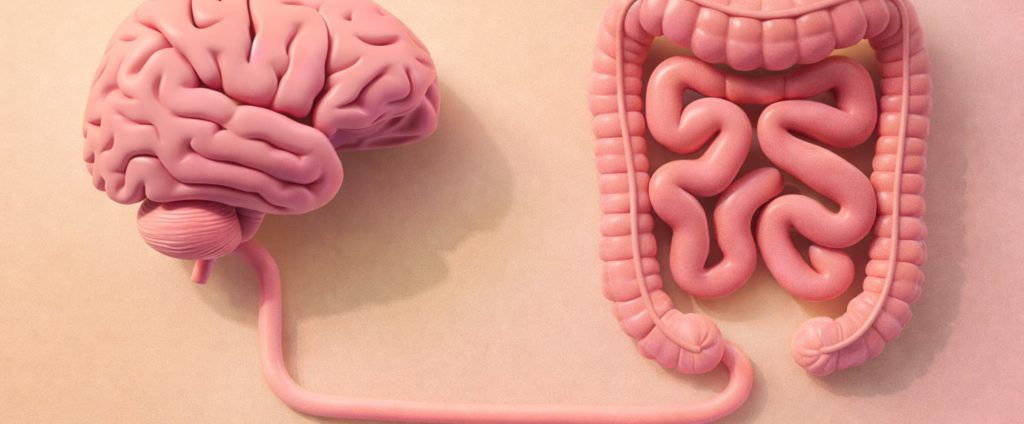
The link between stress and digestion is based on what is known as the gut-brain axis. This is a two-way communication system between the brain and the digestive tract.
This dialogue takes place through several channels:
In practical terms, this means that what you feel mentally can affect your digestion, and vice versa.
At the heart of this system lies the enteric nervous system (ENS), a network of several million neurons that is directly embedded in the digestive tract wall.
His role is essential:
It is sometimes referred to as the “second brain” because it functions independently while remaining highly attuned to your emotional state.

Before discussing the impact on digestion, it is important to distinguish between two types of stress: acute stress and chronic stress (recurrent and prolonged).
Acute stress is a one-time reaction to a situation perceived as demanding: an important meeting, an unexpected event, speaking in public…
In this case, the body adapts quickly and then returns to equilibrium once the event has passed.
This type of stress is normal and has no long-term effects .
On the other hand, we speak of chronic stress when this activation persists over time:
In this context, the body remains in a prolonged state of alert, which can gradually disrupt certain systems, including the digestive system.
In situations of chronic stress, the nervous system remains constantly activated. This leads to the regular release of cortisol, the stress hormone.
However, this “alert” mode directs energy toward functions deemed a priority (muscles, heart, alertness) at the expense of so-called “rest” functions, such as digestion.
The result: the digestive system functions under suboptimal conditions.
This prolonged activation has several practical consequences:
→ Bowel movements may slow down (constipation) or speed up (diarrhea)
→ Food is not broken down as effectively, which can lead to discomfort and bloating
→ The intestines become more sensitive, with heightened sensations (pain, spasms)
→ communication between the two systems becomes less smooth
Over time, these imbalances can become established and contribute to the development of functional digestive disorders.

The gut microbiota refers to the collection of bacteria found in your gut. It plays a major role in digestion, as well as inthe body’s overall balance.
The gut microbiota does more than just aid digestion. It is an integral part ofthe gut-brain axis.
Certain gut bacteria are involved in the production of neurotransmitters (such as serotonin and GABA), which play a role in regulating mood and stress.
This means that your gut microbiota is both influenced by your emotional state and capable of responding to it.
In cases of prolonged stress, the body doesn’t just “feel” the stress: it triggers a series of biological responses that can eventually disrupt the balance of the gut.
Three main mechanisms are now well understood.
Chronic stress leads to prolonged production of cortisol, the key hormone in the stress response.
In the short term, this hormone is beneficial. But when it remains elevated over time, it can have several harmful effects:
In short, excess cortisol creates an environment that is less conducive to a healthy balance of gut bacteria.
The intestinal lining acts as a selective barrier: it allows beneficial nutrients to pass through while blocking unwanted substances.
Under the influence of chronic stress, this barrier can become more permeable; this is sometimes referred to asintestinal hyperpermeability.
In practical terms:
This disrupts the gut environment and can trigger inappropriate immune responses.
This increased permeability, combined with stress, can contribute to the development of low-grade inflammation.
This is not an acute inflammation (such as that caused by an infection), but rather a mild yet persistent inflammatory condition.
Its effects:
Under the combined effect of these mechanisms, the balance of the microbiota can gradually shift. This is known as dysbiosis.
It is characterized by:
The result: a less resilient microbiome that is more sensitive to disturbances and less capable of supporting healthy digestion.
This imbalance can itself exacerbate digestive problems and even affect one’s mood.
In fact, the microbiome plays a role in the production of certain neurotransmitters, such as serotonin, which is involved in regulating well-being.
This is referred to as a cycle of interactions between stress, the microbiome, and digestion.

Good news: it’s possible to improve both your nervous system and your digestion through simple daily habits.
Abdominal breathing and cardiac coherence helpactivate the parasympathetic nervous system, also known as the “rest and digest” system.
This system promotes:
Just a few minutes a day can make a difference.
The setting in which you eat is just as important as what you eat.
Some helpful habits:
These simple steps help the digestive system function more smoothly.
During times of stress, some foods are easier to digest than others.
Best of all :
To be temporarily restricted:
The goal isn't to restrictyour diet, butto adapt it to your current condition.
In certain situations, targeted supplementation may be considered as a complement to lifestyle changes.
The goal is not to replace a balanced diet, but to support the body during times of imbalance.
Gentle physical activity, such as walking or yoga, has a positive effect on:
Even a short walk after a meal can help improve digestive comfort.
While stress-related digestive problems are common, certain symptoms should prompt you to seek medical advice:
A healthcare professional can assess the situation and recommend appropriate treatment.
In conclusion
The link between stress and digestion is now well established: your digestive system is closely connected to your emotional state.
So, taking care of your nervous system isn't just about calming your mind—it's also about supporting healthy bowel function.
Adopting a holistic approach that takes into account both the body and emotions is key to achieving lasting digestive comfort.