
With the return of warmer weather and longer days, the desire to get back into a more active routine naturally resurfaces. However, regaining motivation and energy isn’t just a matter of willpower.
Motivation is a complex process influenced by our physiological state, emotional balance, and cognitive functioning. Persistent fatigue , mental overload, lack of rest, or nutritional imbalances can gradually undermine our ability to take action.
To regain sustainable momentum, it is essential to focus on three complementary pillars: physical energy, mental clarity, and emotional balance.
The good news is: you don’t have to completely overhaul your lifestyle. Targeted, regular adjustments that are in line with your body’s needs can already make a significant difference.

Motivation isn't just a matter of mindset. It also depends directly on the body's ability to produce and mobilize energy.
When physiological resources are depleted, the brain prioritizes essential survival functions at the expense of mechanisms related to initiative, concentration, or sustained effort.

Sleep plays a central role in the body’s physical and mental recovery processes. During the night, the body enters a phase of metabolic regeneration that is essential for maintaining cognitive, immune, and hormonal functions.
During the different stages of sleep:
Insufficient or fragmented sleep can lead to:
Over the long term, lack of sleep can also disrupt the regulation of cortisol, the stress hormone, and affect neurotransmitters involved in pleasure and motivation, such as dopamine.

Certain nutrients play a key role in keeping your body functioning properly… and therefore in your vitality.
The brain is composed of about 60% lipids, a large portion of which are omega-3 polyunsaturated fatty acids.
Among them:
Omega-3s play a role in, among other things:
However, dietary intake often remains insufficient in modern eating habits.
Omega-3s are naturally found in:

Vitamin D is best known for its role in maintaining bone health, but it also plays a part in many physiological processes related to vitality.
In particular, she is involved in:
Its synthesis depends primarily on the skin's exposure to UVB rays. In Europe, deficiencies are common, particularly in winter or when there is little sun exposure.
The main sources of vitamin D are:
Motivation also depends on our cognitive load. A brain that is constantly under strain uses up more mental energy, which can lead to a feeling of exhaustion even before we take action.

The human brain treats every decision as a drain on cognitive resources. Multitasking or trying to do everything at once increases mental fatigue and reduces the ability to concentrate.
Setting 2 to 3 key priorities each day allows you to:
This approach also promotes the release of dopamine associated with achieving goals, a neurotransmitter that plays a key role in motivation.
The brain isn't designed to constantly keep track of complex to-do lists.
Accumulating information to remember increases cognitive load and maintains a state of constant alertness, which can contribute to mental stress.
Putting your ideas, appointments, or priorities in writing acts as a form of “cognitive unloading.” This strategy allows you to:


Contrary to popular belief, the brain does not maintain optimal attention continuously.
Without regular rest periods:
Quality breaks—free from excessive digital stimulation—help the nervous system recover and regulate stress.
Recovery also involves:
Emotions directly influence our behavior, our ability to engage, and our willingness to take action.

From a neurobiological perspective, emotions modulate the activity of several brain regions involved in:
Chronic stress or emotional exhaustion can thus gradually erode one’s motivation.
Conversely, positive emotions such as enthusiasm, satisfaction, or a sense of accomplishment help activate the brain’s reward circuits.

A drop in motivation isn't always due to a lack of willpower.
It may reflect:
Taking a few moments to identify how you feel often helps you gain greater inner clarity.
Just ask yourself:
“What do I really need today?”
can help you better understand the signals your body sends and adjust your pace more accurately.
Because motivation and energy depend on specific physiological balances, certain nutrients can support the body on a daily basis.
Dielen offers solutions formulated with active ingredients known to support the essential functions involved in vitality and overall balance:
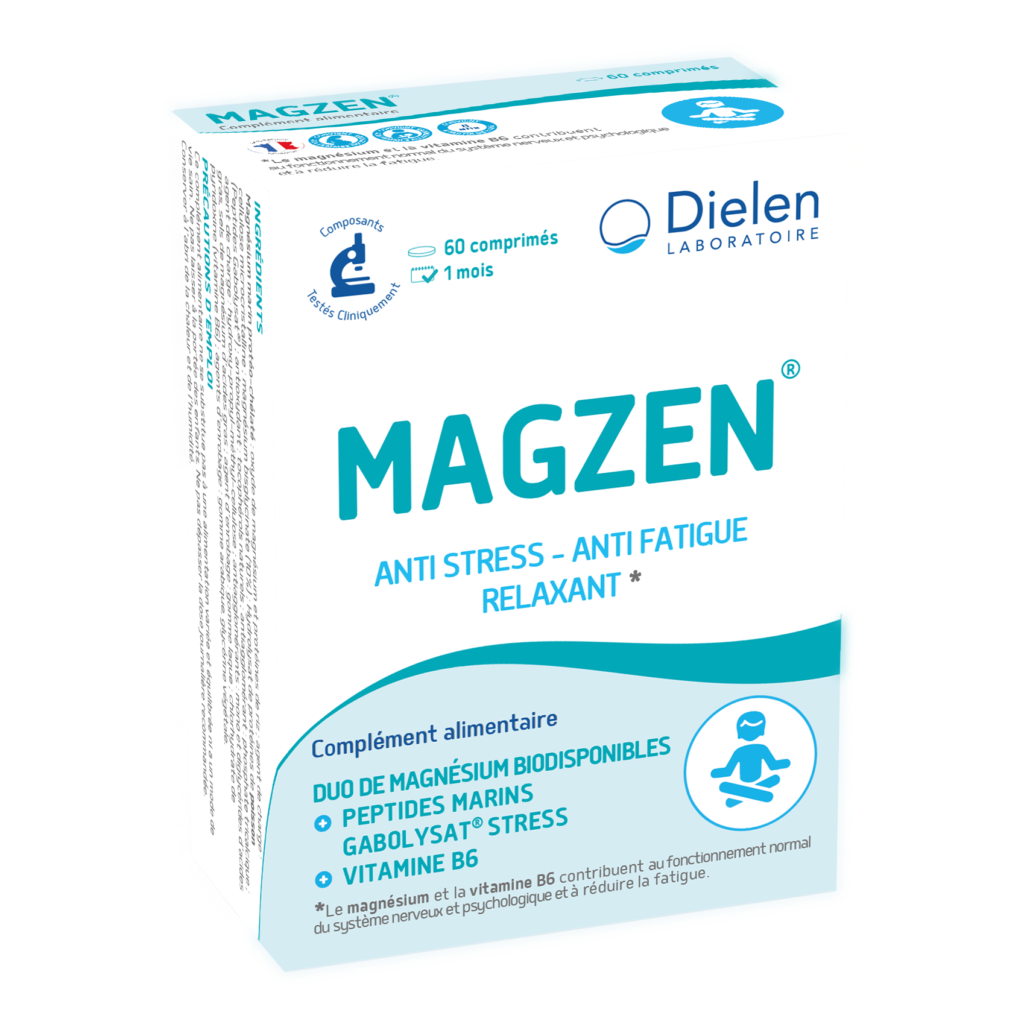
| Magzen® |
| Stress Relief* Fatigue Relief* Relaxation* Bioavailable Magnesium Duo |

| Mémozan® |
| Intense mental activity: exams, studying, etc. Mental fatigue and burnout Memory How the nervous system works |
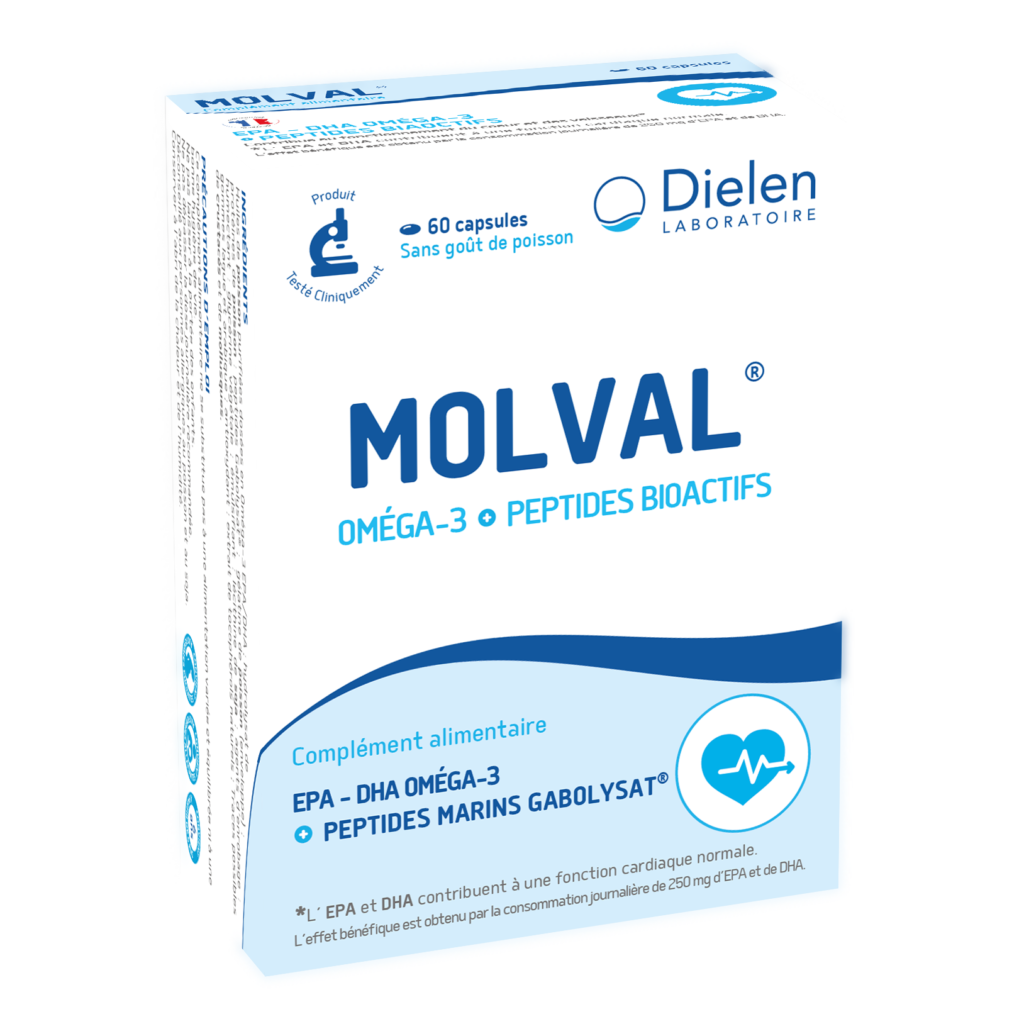
| Molval® |
| Cardiovascular Health** Helps address dietary deficiencies in omega-3 EPA and DHA |
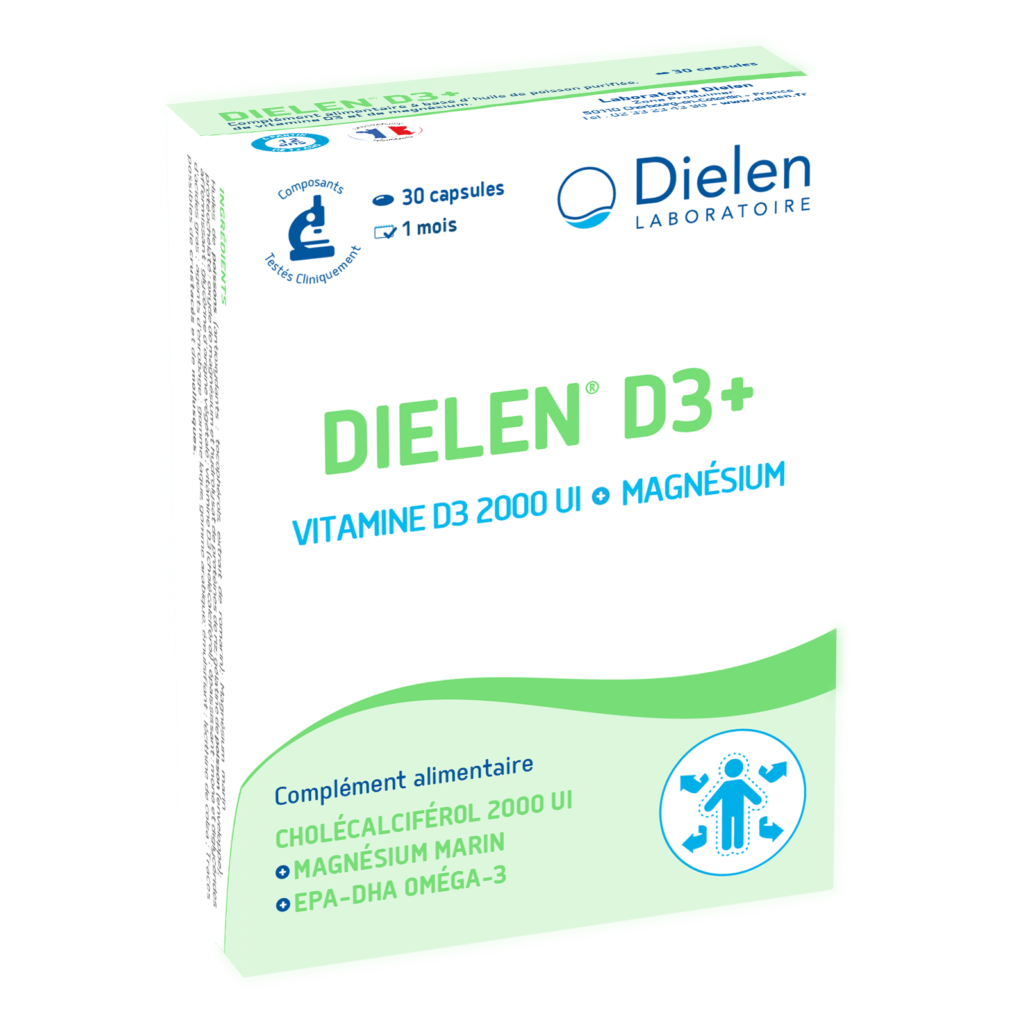
| Dielen® D3+ |
| Vitamin D3 2000 IU Magnesium, the cofactor for activation Omega-3 EPA/DHA, for improved bioavailability |

| Nutrissome® SP |
| Fast & Long-Lasting Sleep*** Sublingual Extended-Release Tablet (SP) Vitamin and Trace Mineral Complex for Nighttime |
*Magnesium helps reduce fatigue, supports normal energy metabolism, normal nervous system function, normal psychological function, and normal muscle function. Vitamin B6 supports normal nervous system function, normal psychological function, and helps reduce fatigue.
**EPA and DHA support normal heart function.
***Melatonin helps you fall asleep quickly. Melatonin helps alleviate the effects of jet lag.