
Adopting a balanced diet doesn't mean you have to change everything overnight. On the contrary, it's often the small, easy-to-make adjustments that make all the difference in the long run.
Cooking methods, food choices, the quality of grains, or even simple guidelines like Nutri-Score: certain habits can help you gradually improve the nutritional quality of your meals, without feeling restricted or frustrated.


The way you cook your food has a direct impact on its nutritional value. Cooking at high temperatures can destroy certain nutrients, particularly heat-sensitive vitamins. The longer and more intense the cooking process, the greater the nutrient loss can be.
To best preserve the nutritional value:
Steam cooking, in particular, helps preserve a large portion of the vitamins and minerals while retaining the food's natural flavor.
Today, ultra-processed foods play a significant role in our diets. However, they are often the result of complex industrial processes that profoundly alter the structure of the food.
The result: nutritional value that is sometimes compromised and ingredient lists that are often long and hard to understand.
A few simple guidelines:
Adopting this habit allows you to return to a simpler, more straightforward, and often more balanced diet.
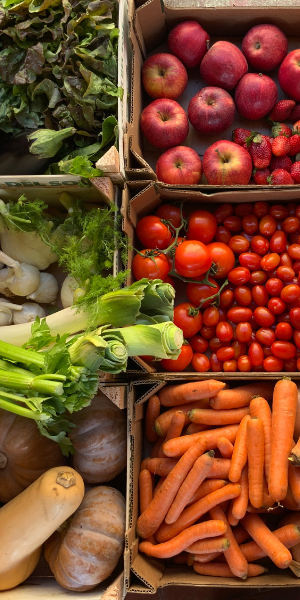

Have you ever considered replacing your usual wheat flour with rice or chestnut flour in certain recipes? There are many different types of flour, each with its own nutritional benefits. Varying the types of flour you use allows you to diversify your intake of fiber, vitamins, and minerals, while discovering new flavors.
Here are a few easy ways to incorporate these into your daily routine:
👉Using a variety of flours also means diversifying your nutrient intake and enriching your daily diet.
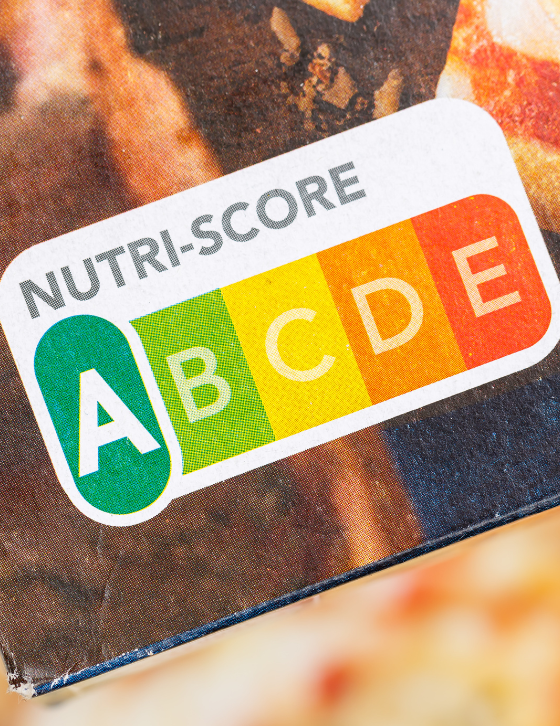
Nutri-Score is a handy tool that helps you understand a product’s nutritional quality at a glance.
It ranks foods from A (green) to E (red) based on their nutritional content per 100 g, taking into account:
Its main advantage is that it allows you to quickly compare similar products (cereals, ready-made meals, cookies, etc.) and make a more informed choice.
Keep in mind, however, that this is merely a decision-making tool and should be used in conjunction with a comprehensive review of the ingredients.
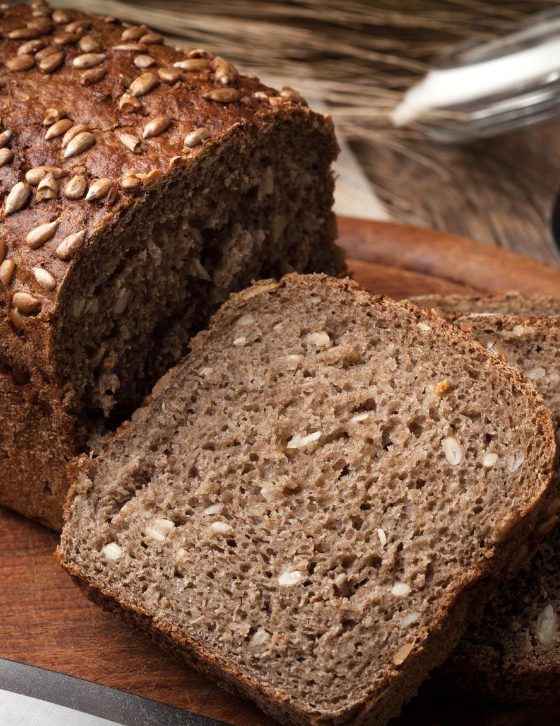
Starchy foods have an important place in a balanced diet. However, their nutritional value varies depending on how much they have been processed.
Whole grains retain their bran, which is naturally rich in fiber, vitamins, and minerals.
Specifically, you can:
These simple choices help you feel fuller and contribute to a balanced diet.
If possible, choose organic products to minimize exposure to residues found on the outer layer of grains.
Eating better doesn't depend on radical changes, but on building up a series of small, simple, and sustainable habits.
Opt for gentle cooking methods, choose minimally processed foods, vary your grain choices, or use guidelines like Nutri-Score: these are all simple habits you can adopt, one step at a time.
Over time, these changes will help improve the quality of your diet and help you maintain a healthy balance in your daily life.