
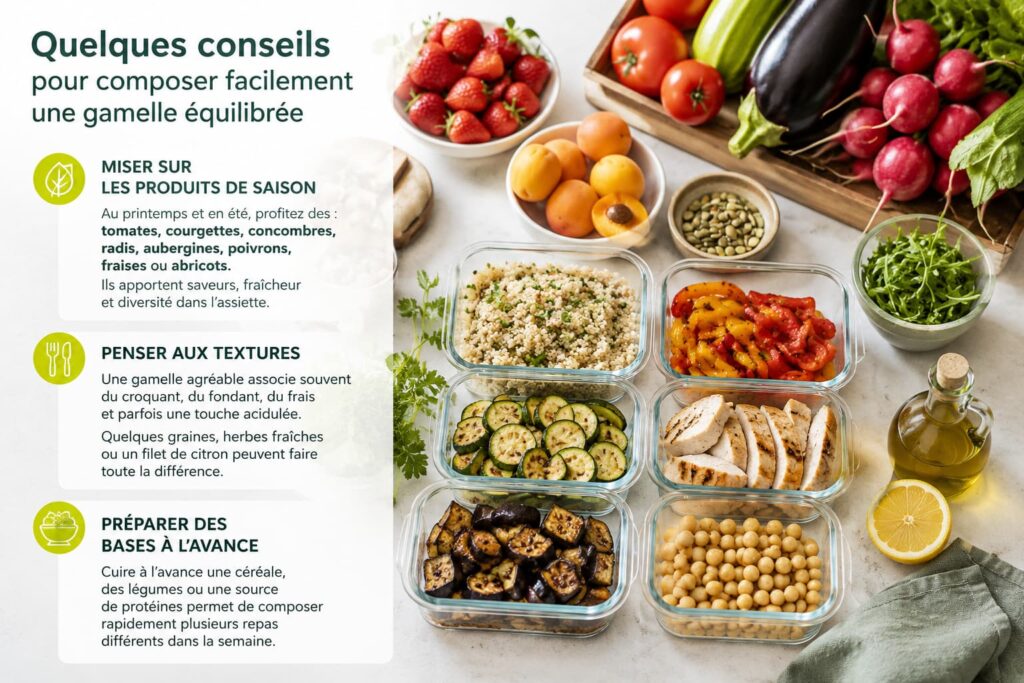
When the warm weather returns, we naturally start craving fresher, more colorful, and lighter meals. However, between work, busy days, and a lack of inspiration, preparing a balanced lunch can quickly become a headache. Good news: eating healthy for lunch doesn’t mean spending hours in the kitchen. With a few seasonal ingredients and a solid nutritional foundation, you can create meals that are delicious, satisfying, and easy to pack. Here are 3 ideas for spring and summer packed lunches, along with nutritional tips to help you build complete meals every day.
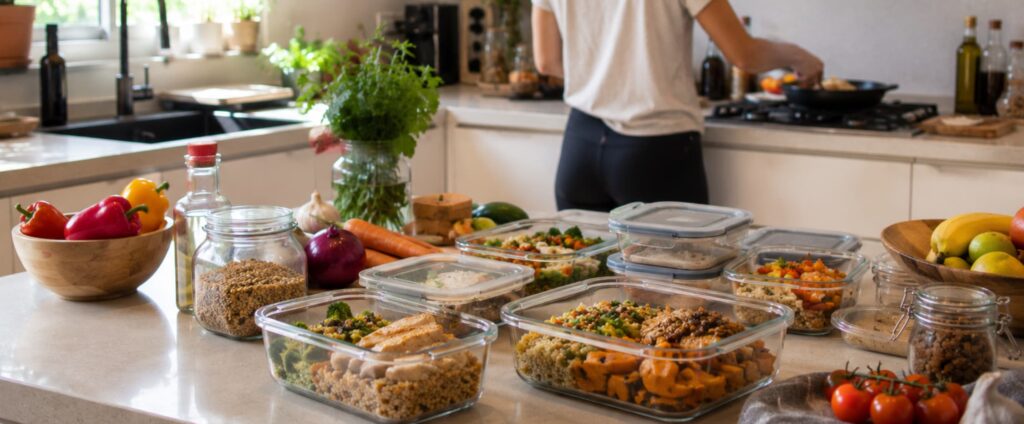
Making your own lunch has several advantages:
A balanced meal generally consists of:
In the spring and summer, fresh produce also adds more color, fiber, and vitamins to your meals.
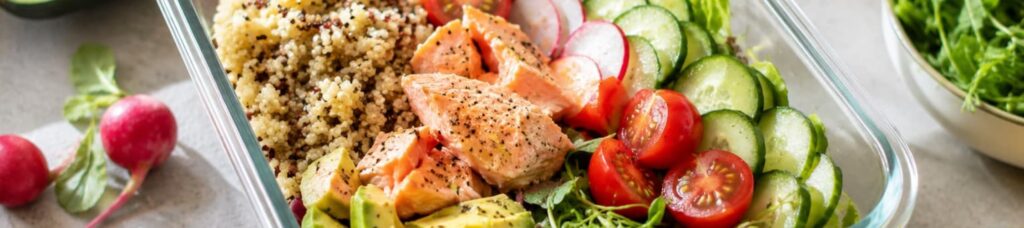
The perfect choice for hot days: refreshing, filling, and full of flavor.
Quinoa provides complex carbohydrates and fiber, which help keep you feeling full throughout the afternoon.
Salmon is a good source of protein andomega-3 fatty acids, while raw vegetables add freshness, vitamins, and crunch.
Avocados andolive oil provide“healthy fats,” which are beneficial as part of a balanced diet.
Helpful tip
Cook a large batch of quinoa ahead of time to save time on several meals throughout the week.
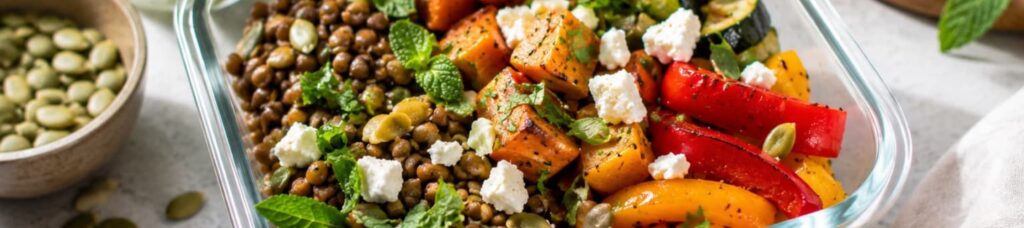
A hearty and flavorful vegetarian option.
Lentils are rich in plant-based protein and fiber, which helps you feel full.
Roasted vegetables add a rich, savory flavor, while feta cheese brings a touch of freshness and calcium.
Seeds add crunch and provide beneficial fatty acids.
Nutrition advice
Combining legumes and grains throughout the day helps ensure a more complete protein intake in a vegetarian diet.
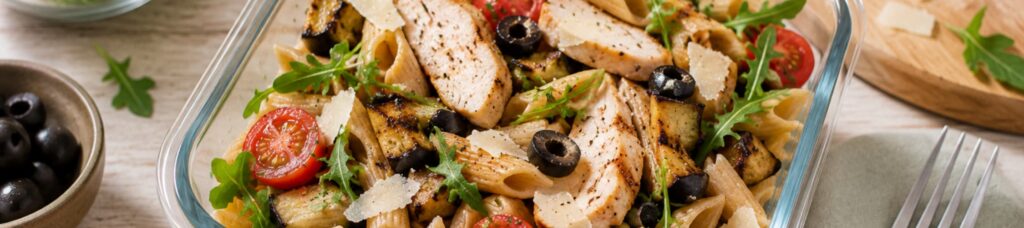
A classic reimagined in a more balanced, summery version.
Whole-grain pasta provides sustained energy thanks to its high fiber content.
Chicken provides filling protein, while grilled vegetables add flavor and micronutrients.
This meal is still delicious while avoiding store-bought sauces, which are often too high in salt or fat.
The Extra Touch
You can roast the vegetables ahead of time in the oven and use them in a variety of meals: salads, wraps, or bowls.
In conclusion
Preparing a healthy, seasonal meal doesn't necessarily require a lot of time or culinary skills. By combining a few simple, colorful, and balanced ingredients, you can create meals that are delicious, convenient, and nutritious.
The most important thing is variety: alternating your protein sources, enjoying seasonal vegetables, and listening to your body’s needs helps you maintain a balanced diet every day, without feeling deprived.